"\\\"(其後字詞)無法查詢, 因為 聯合目錄 的查詢上限是256個字。
符合的藏品
共找到 90 筆符合的資料
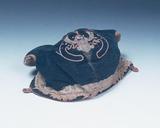
主要題名-中文:狀元帽(分類號A2...
宇—a peaked cover) resembling the headwear worn by Ming Dynasty scholars, were referred to as “first.....more
- 46/90
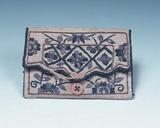
主要題名-中文:繡荷包(分類號A2...
Dynasty. They were carried by both men and women and decorated with auspicious flowers, birds, human.....more
- 47/90
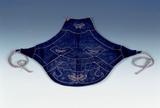
主要題名-中文:肚兜(分類號A28/...
and on the center pocket were stitched numerous designs, including butterflies (the first character of which.....more
- 48/90
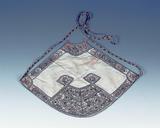
主要題名-中文:肚兜(分類號A28/...
centimeters long, halter tops found in Taiwan were comprised of over ten small pieces of fabric.....more
- 49/90
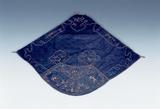
主要題名-中文:肚兜(分類號A28/...
-coiled stitches were common throughout Taiwan. The four borders and the center pocket.....more
- 50/90
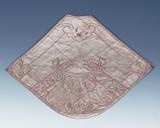
主要題名-中文:肚兜(分類號A28/...
is similar in sound to a character for “fortune”) above the center pocket on either side, were stitched onto.....more
- 51/90

主要題名-中文:肚兜(分類號A28/...
繍している所は、一般の腹掛けが主体布に刺繍しあげた小繍片を連接する製作法とは違っている。 英文說明:Pink diamond-shaped halter tops like this one were.....more
- 52/90
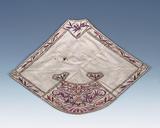
主要題名-中文:肚兜(分類號A28/...
に貼り付け、縁取りの装飾として、図案が簡潔である。 英文說明:Green-on-white, diamond-shaped halter tops like this were common.....more
- 53/90
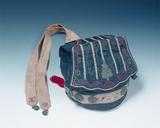
主要題名-中文:狀元帽(分類號A2...
明:Children's hats adorned with a “wuyu” (屋宇—a peaked cover) were commonly referred to as “zhuangyuan.....more
- 54/90
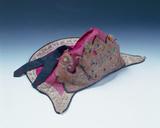
主要題名-中文:鴟鴞帽(分類號A2...
謡にある「鴟鴞飛上天,囝仔快作官;鴟鴞飛高高,囝仔中状元」の言葉にある《望子成龍》の伝統思想による。 英文說明:Children's hats were often embroidered.....more
- 55/90
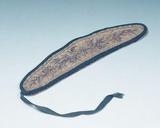
主要題名-中文:眉勒(分類號A28/...
. Both decorative and practical (they kept the hair in place), they were worn by older women until.....more
- 56/90
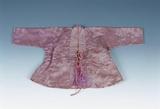
主要題名-中文:童衫(分類號A28/...
の子供が祝い時に着る服。 英文說明:Styles in children's apparel were merely smaller versions of clothing worn.....more
- 57/90
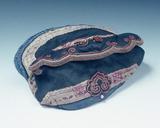
主要題名-中文:狀元帽(分類號A2...
:Children's hats adorned on top with a wuyu (屋宇—a peaked cover) were commonly referred to as “zhuangyuan.....more
- 58/90
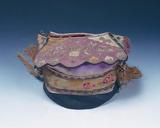
主要題名-中文:狀元帽(分類號A2...
の外、両側と帽子の後に垂掛け糸縄結びの帯がある。 英文說明:Children's hats adorned on top with a wuyu (屋宇—a peaked cover) were.....more
- 59/90
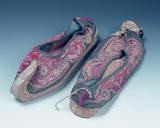
主要題名-中文:客家女子繡花鞋(...
hope that “things continue to go as ones wishes.” These were worn by Hakka women, who did.....more
- 60/90